
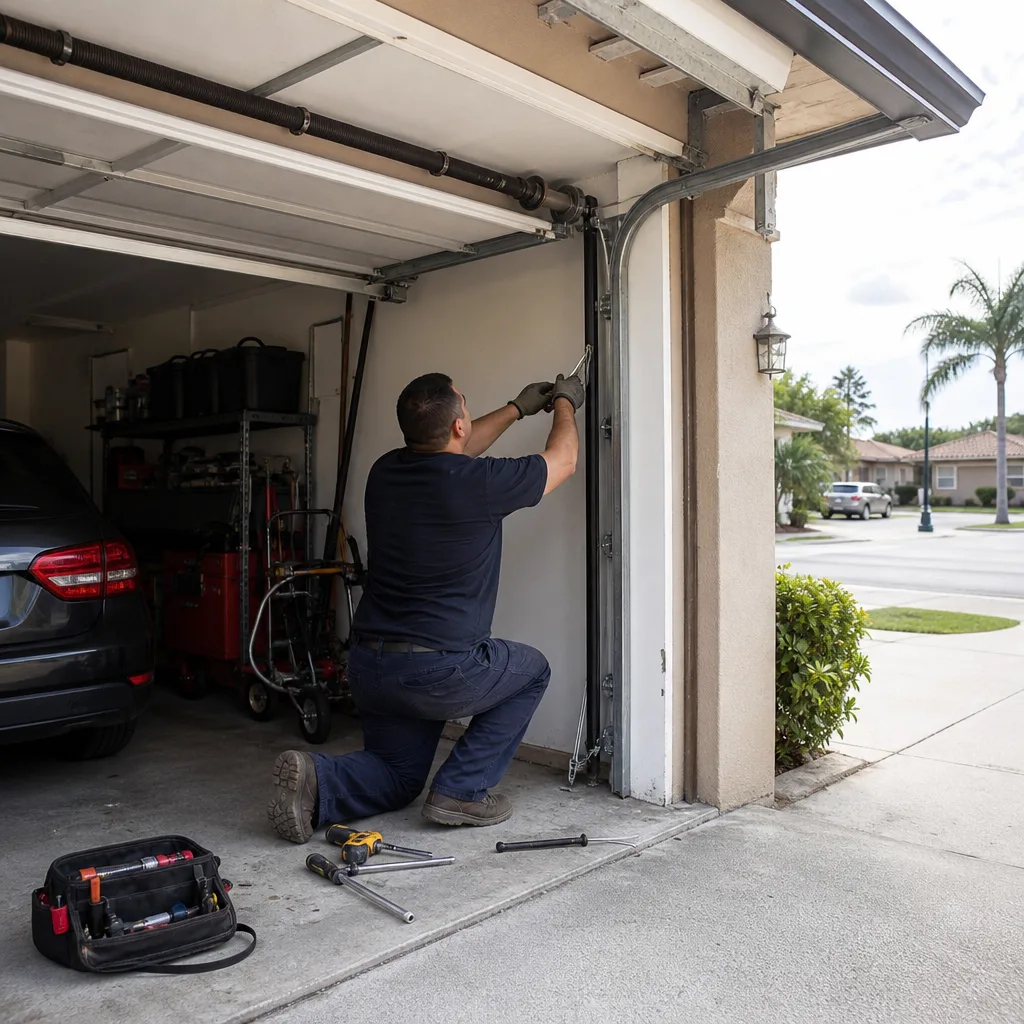
Last updated October 16, 2026
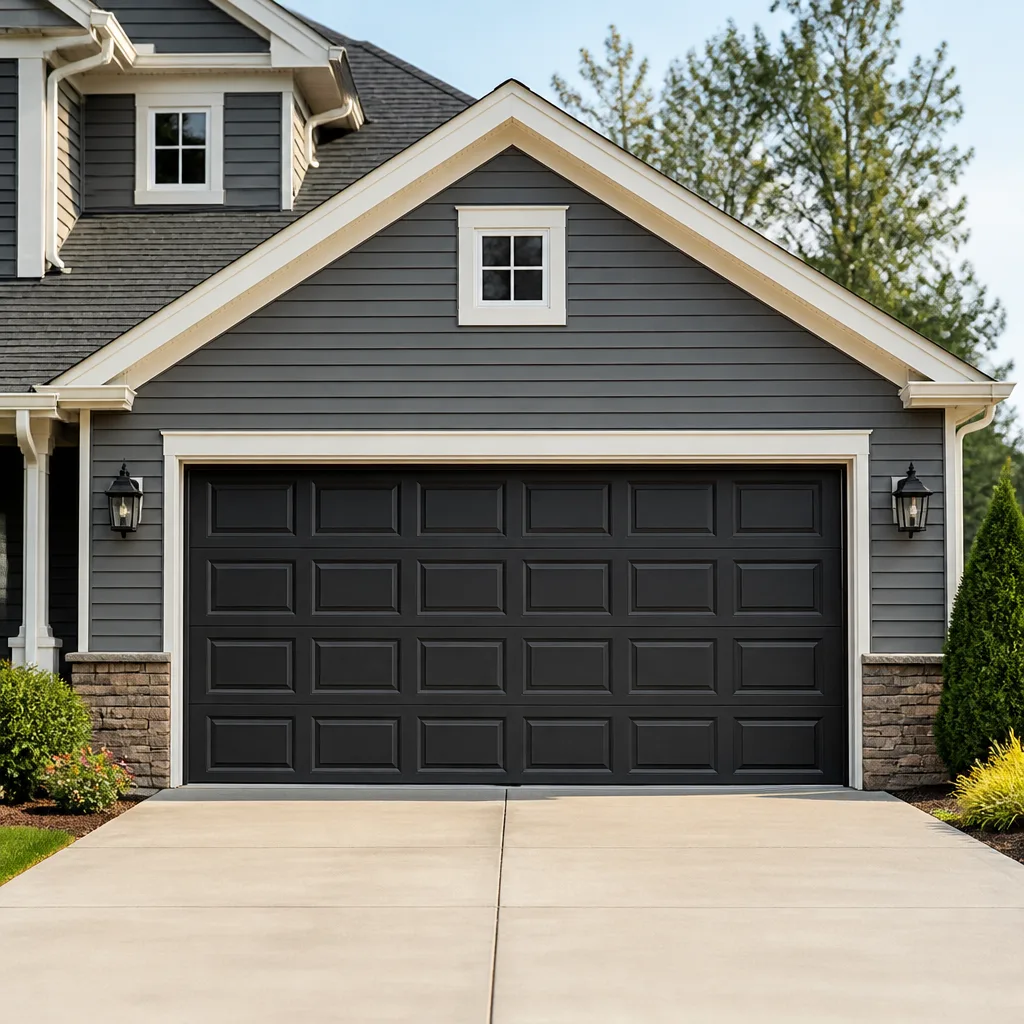 Raised-panel steel
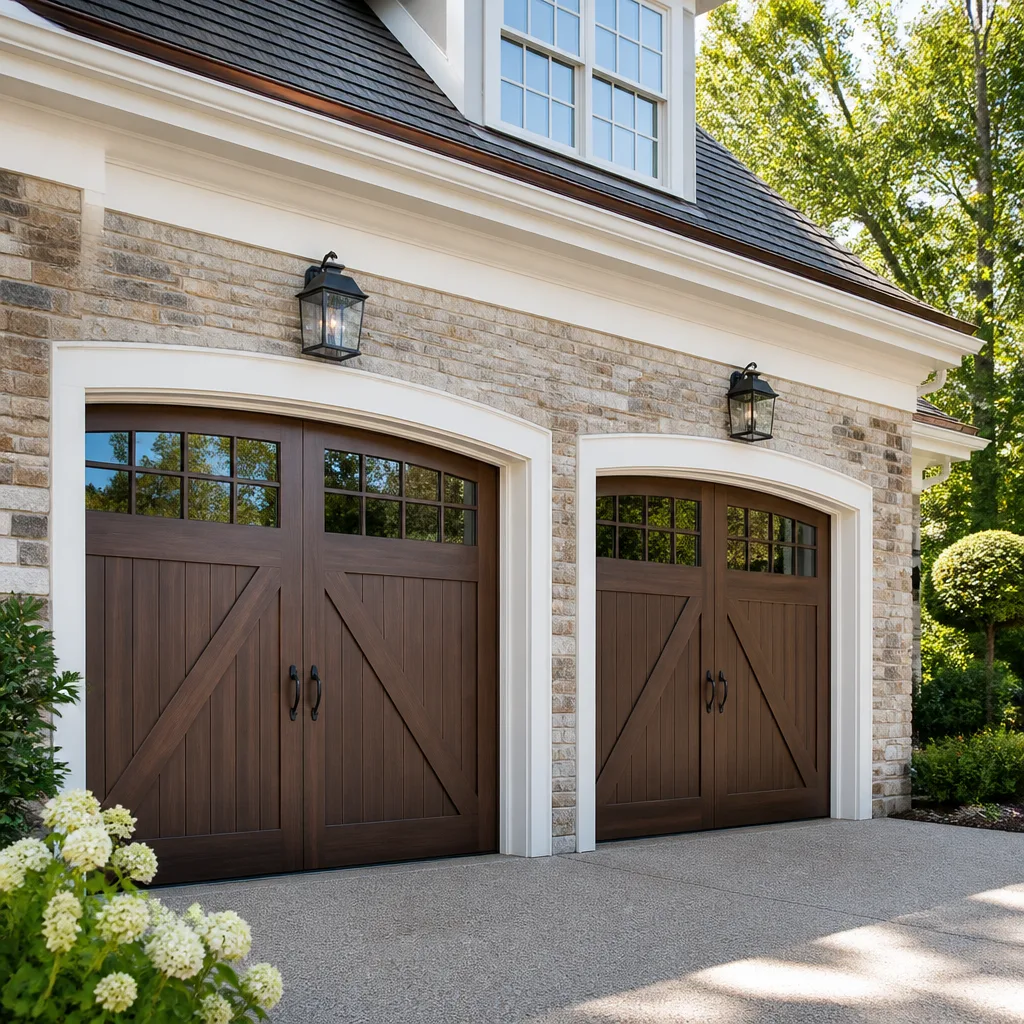 Carriage house
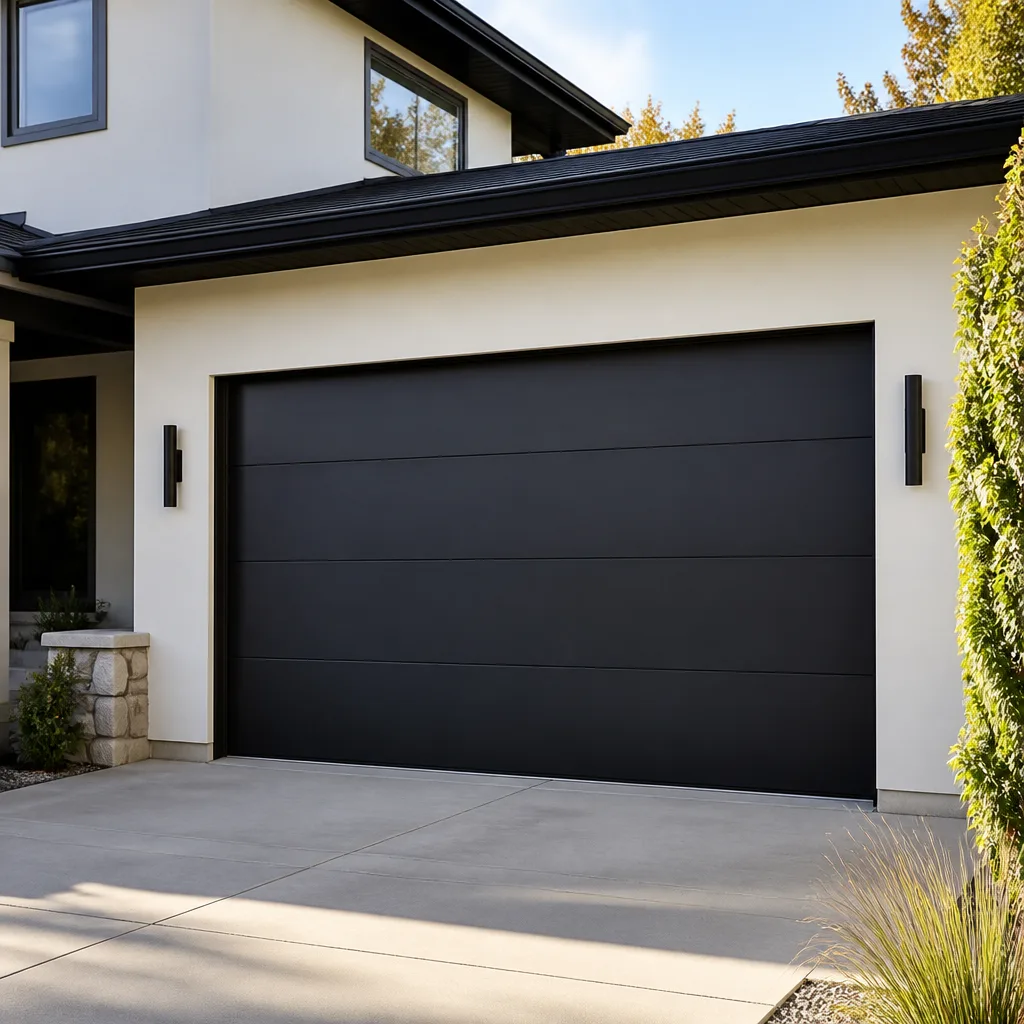 Modern flush
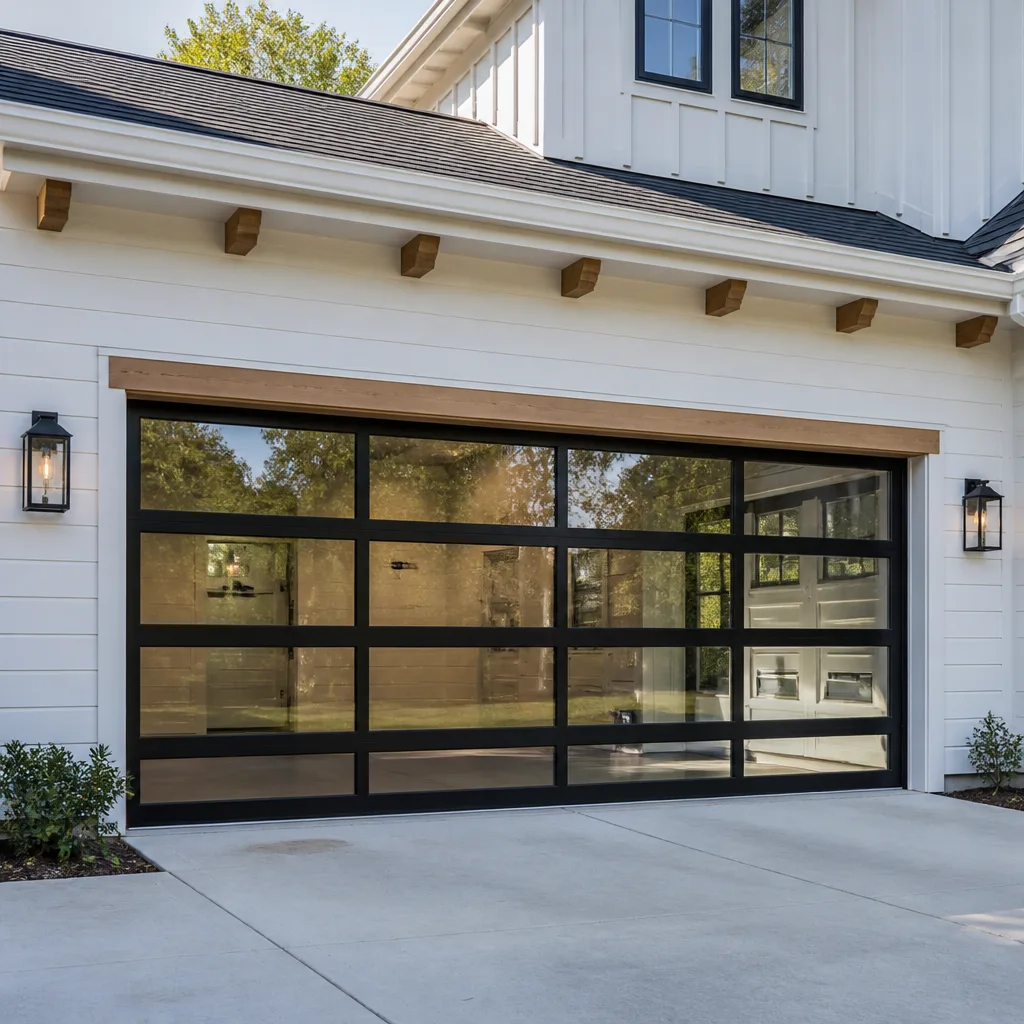 Full-view glass
 LiftMaster openers
 Chamberlain openers
Full 25-point door and opener safety check with every visit - springs, cables, rollers, tracks, and your LiftMaster or Chamberlain opener included
You get a price before we start. It does not change when the truck arrives.
Get your free estimateGarage Door Permits, Codes & Inspections in FL: What You Need to Know
In Fort Lauderdale, an unpermitted garage door replacement can sit quietly for years and then detonate on a 4-point insurance inspection. The inspector flags it, the carrier non-renews the policy, and the homeowner discovers the problem only after the cancellation letter arrives. Most people assume a garage door swap is a cosmetic fix. Under Broward County building code and the Florida Building Code’s High-Velocity Hurricane Zone provisions, it is a structural and wind-load modification. This guide explains when a permit is required, what the inspector actually checks, how to verify a permit was pulled, and what to do if you inherited an unpermitted installation. For more guides & resources, visit our blog.
Styles & brands we work with
Quick Answer
Replacing a garage door in Fort Lauderdale requires a building permit when the door, its track system, or its wind-load rating changes. A true like-for-like swap of identical components generally does not require a permit, but most replacements are not like-for-like because Florida Product Approval numbers and HVHZ ratings change as manufacturers update designs. When a permit is required, the installation must pass an inspection that verifies the door is Florida Product Approved, impact-rated or wind-load rated for HVHZ, and properly anchored to the structure.
Table of Contents
- When a Garage Door Permit Is Required in Fort Lauderdale
- What Counts as a Like-for-Like Swap (and Why Most Jobs Aren’t)
- What the HVHZ Installation Inspection Covers
- Florida Product Approval: What the Number Means and How to Verify It
- How to Check if a Permit Was Pulled for Your Address
- What Happens When an Unpermitted Door Is Discovered
- Permit Costs and Timeline in Broward County
- Common Mistakes to Avoid
- When to Call a Professional
- Frequently Asked Questions
- The Bottom Line
When a Garage Door Permit Is Required in Fort Lauderdale
Broward County requires a building permit for any garage door installation that changes the door’s size, its anchoring method, its wind-load rating, or its structural attachment to the home. That covers the overwhelming majority of replacement jobs. The only work that skips the permit queue is a repair that keeps the existing door, existing track, and existing anchoring in place, such as replacing a torsion spring, swapping out a broken cable, or installing a new opener on an existing door. In our experience, homeowners are consistently surprised by this line: a new door needs a permit, a new spring does not.
The trigger points are specific and worth memorizing. A permit is required when any of the following change:
- Door dimensions: If the rough opening is modified or a different sized door is installed, the wind-load calculation changes entirely.
- Anchoring: New fasteners, different jamb reinforcement, or new header attachments always require inspection because HVHZ anchoring is load-rated, not guess-rated.
- Wind-load rating: Broward County is in the High-Velocity Hurricane Zone. Any door rated below the required design pressure for your specific address must be upgraded or it will fail inspection.
- Product approval status: If the new door carries a different Florida Product Approval number than the old one, it is by definition not a like-for-like replacement.
- Track and spring system: Converting from extension springs to a torsion system, or replacing the track assembly, changes the load path and requires an inspection.
Fort Lauderdale sits entirely within the HVHZ, which means the wind-load requirement is stricter than in most of Florida. The required design pressure varies by address because it depends on exposure category, roof height, and proximity to water. A door that passes inspection in Plantation might not pass in Rio Vista or Las Olas Isles, where the wind exposure is higher. That is why a Fort Lauderdale permit application requires the installer to provide the product approval number and the design pressure rating for the specific door being installed.
What Counts as a Like-for-Like Swap (and Why Most Jobs Aren’t)
Broward County’s permit exemption for like-for-like replacements is narrower than most homeowners assume. The exemption applies only when the new door is identical to the old door in every structural respect: same manufacturer, same model, same size, same wind-load rating, same anchoring pattern, same product approval number. If the manufacturer discontinued the old model and replaced it with an updated version, the product approval number changed. That one fact makes the replacement a new installation in the county’s eyes.
We have seen this play out repeatedly with older Wayne Dalton and Clopay doors installed in the early 2000s. The homeowner calls for a replacement, and the contractor says no permit is needed because it is a swap. Then the new door arrives with a different aluminum gauge, a different bottom bracket, and a different Florida Product Approval number. Three years later, the title search or insurance inspection catches it. The homeowner is left holding a code violation on a house they are trying to sell.
The practical test is simple: ask your contractor to show you the Florida Product Approval number for the new door and compare it to the old one. If the numbers differ, the job is not like-for-like. If the contractor cannot produce the number, stop and find a contractor who can. A licensed installer working to code will have that documentation before the door is ordered, not after it is hung.
What the HVHZ Installation Inspection Covers
After the door is installed and the permit is pulled, a Broward County building inspector visits the property to verify the installation matches the approved plans and product documentation. The inspection is a physical check, not a paper exercise. The inspector will examine the following components in person:
- Florida Product Approval label: The inspector looks for the approval number on the door or its packaging. If the label is missing or does not match the permit application, the inspection fails immediately.
- Anchoring and fasteners: The inspector verifies that the jamb brackets, header brackets, and track mounting hardware match the product approval’s anchoring schedule. This includes fastener type, length, spacing, and embedment.
- Design pressure compliance: The inspector checks that the installed door’s design pressure rating meets or exceeds the requirement for the home’s wind zone and exposure category.
- Header reinforcement: In the HVHZ, garage door headers often require steel or engineered wood reinforcement. The inspector verifies that the header is adequate for the new door’s weight and wind-load.
- Bottom bar and track configuration: The inspector confirms that the bottom track, rollers, and bottom bar are installed to the approval drawings. For wind-rated doors, the bottom bar is a structural element, not a trim piece.
- Opener integration: If a new opener is installed, the inspector verifies that the opener’s emergency release and the door’s manual operation function correctly alongside the wind-rated hardware.
If any item fails, the contractor is required to correct it and schedule a re-inspection. The re-inspection is not free, and a second failure typically triggers additional plan review. The cost of a failed inspection falls on the contractor if the contractor pulled the permit and performed the work; it falls on the homeowner if they hired someone who skipped the permit entirely.
Florida Product Approval: What the Number Means and How to Verify It
The Florida Product Approval system is the state’s method of ensuring that building components used in wind-borne debris regions have been tested and certified for the loads they will face. Every garage door installed in Fort Lauderdale must carry a Florida Product Approval number, commonly formatted as FL followed by a five- or six-digit code. That number corresponds to a specific product, from a specific manufacturer, tested to a specific standard. It is not a generic certification.
The approval number tells you three things: the manufacturer tested the exact door model (not a similar one), the door met the High-Velocity Hurricane Zone wind-load requirements, and the product is listed in the Florida Department of Business and Professional Regulation’s online product approval database. You can verify any approval number yourself at the Florida Building Code Information System website. Enter the number, and the system returns the manufacturer name, the product description, the approval date, the design pressure rating, and whether the approval is still active.
Brands like Amarr, Clopay, and Genie all maintain current Florida Product Approvals for their HVHZ-rated lines, but each model carries its own number. An approval for an Amarr Classica 3000 does not cover an Amarr Heritage 2000. If a contractor gives you a number, verify it matches the exact model going into your opening. In Fort Lauderdale, this level of verification is not optional diligence; it is the minimum required to pass inspection.
How to Check if a Permit Was Pulled for Your Address
Broward County maintains a public online permit portal where anyone can look up the permit history for a property address. The lookup takes five minutes and answers the question no contractor wants you to ask: was a permit actually pulled, or did someone just say one was?
Here is the step-by-step process:
- Go to the Broward County ePermits OneStop portal.
- Select the option to search by property address or folio number.
- Enter your street number and street name. Do not enter a suffix like “Ave” or “St” unless the form requires it.
- Review the list of permits returned for your address. Look for a permit type that mentions “residential,” “accessory,” “garage door,” or “door replacement.”
- Open the permit record and check the status. A completed permit will show a final inspection date and a status of “complete” or “closed.” A permit that was issued but never received a final inspection is still open and still a problem.
If your home is in an unincorporated area of the county, the search works the same way. If your property falls under a municipal building department, such as the City of Fort Lauderdale’s building department, you will need to use that municipality’s portal instead. The Fort Lauderdale city portal is separate from the county system, and permits pulled through one will not appear in the other. This is another reason to work with a contractor who does this every week; they know which jurisdiction issued your permit and where to find the record.
What Happens When an Unpermitted Door Is Discovered
The discovery usually happens in one of two ways: a title search during a sale, or a 4-point insurance inspection during a policy renewal. Either way, the sequence that follows is consistent, and it is never convenient.
When a title search finds an unpermitted garage door installation, the buyer’s lender will typically refuse to close until the permit issue is resolved. That means the seller must either obtain an after-the-fact permit or negotiate a price concession. An after-the-fact permit requires the same inspections as a regular permit, plus a penalty fee, and it only works if the door actually meets code. If the door does not meet HVHZ wind-load requirements, the seller is looking at a full replacement, not a paperwork fix.
When a 4-point insurance inspection finds an unpermitted door, the insurance company has two options: issue a non-renewal notice, or require the homeowner to obtain a permit and reinspection within a set window. We have spoken with Fort Lauderdale homeowners who received 30-day non-renewal letters over a door that was installed by a previous owner, years before they bought the house. The insurance company does not care who skipped the permit. The owner of record carries the liability.
The remediation steps are the same in both scenarios:
- Determine if the installation meets code. A door that meets HVHZ wind-load and anchoring requirements can be permitted after the fact. A door that does not meet code must be replaced.
- Obtain an after-the-fact permit from the correct jurisdiction, which means the Broward County permit portal or the City of Fort Lauderdale portal, depending on your address.
- Schedule the required inspections and correct any deficiencies the inspector identifies.
- Close the permit with a final inspection and keep the record. The closed permit is the only proof that satisfies a title company or insurance underwriter.
None of this is cheap when it happens after the fact. Doing it right at installation is always less expensive than fixing it at closing or during a policy renewal.
Permit Costs and Timeline in Broward County
Garage door permit fees in Broward County and the City of Fort Lauderdale typically run between $75 and $250, depending on the jurisdiction and the scope of work. That is a hard cost added to the door and installation. It is also the cheapest part of the entire project when compared to the cost of an after-the-fact permit, which includes the original fee plus a penalty that can double or triple the total.
The timeline is straightforward. A well-prepared permit application with correct product approval documentation is usually approved within one to three business days. The installation can begin once the permit is issued, but the final inspection cannot be scheduled until the work is complete. Inspections are typically scheduled for the next business day in Broward County, though the City of Fort Lauderdale can run two to three days out during peak season.
What slows the process down is incorrect or missing documentation. If the contractor cannot produce the Florida Product Approval number, or if the design pressure rating on the application does not match the rating on the door, the permit sits in plan review until the discrepancy is resolved. A contractor who submits the right paperwork the first time moves through the system in under a week. A contractor who wings it creates delays that the homeowner pays for in time, not just money.
Common Mistakes to Avoid
- Assuming any replacement is a like-for-like swap. If the product approval number changes, the job is a new installation. Ask for the number before the door is ordered.
- Hiring a contractor who says a permit is unnecessary without checking the door’s specifications. A contractor who makes that claim before seeing the existing door does not know what they are talking about. The exemption is narrow and specific, not general.
- Paying in full before the permit is closed. The job is not done until the final inspection passes and the permit shows a closed status. Hold the final payment until the permit record is complete.
- Skipping the permit lookup on a property you are buying. Five minutes on the Broward County portal can reveal an unpermitted door that will become your problem at the next insurance renewal.
- Accepting a verbal assurance that the permit was pulled. Ask for the permit number and look it up yourself. A closed permit is public record. If it exists, you will find it.
- Installing a non-HVHZ-rated door in Fort Lauderdale. A standard door from an out-of-state supplier will fail inspection and leave you with a door you cannot legally keep.
- Treating the bottom bar as optional trim. In a wind-rated door, the bottom bar is a structural member. Removing it to reduce weight is a code violation and a safety hazard.
When to Call a Professional
Any replacement in Fort Lauderdale that changes the door, its track, or its anchoring should be handled by a licensed contractor who works with the permit process regularly. See our How to Hire a Garage Door Contractor in Fort Lauderdale: A Step-by-Step Guide for help vetting installers. The documentation alone, Florida Product Approval numbers, design pressure calculations, and HVHZ anchoring schedules, is more than most homeowners are prepared to manage. The inspection is unforgiving, and a failed inspection adds time and re-inspection fees that erase any savings from a cheap install.
If you inherited an unpermitted door, call a professional before you contact the building department. A contractor who has navigated after-the-fact permits in Broward County can tell you whether the door is likely to pass inspection or will need to be replaced. That knowledge changes the remediation cost significantly. Brock Garage Doors Fort Lauderdale home offers free estimates in Fort Lauderdale, and we have handled more HVHZ permit inspections than we can count. Call (754) 354-7491 for an honest read on your door.
Frequently Asked Questions
Yes, you need a permit to replace a garage door in Fort Lauderdale unless the new door is a true like-for-like replacement with the same product approval number, dimensions, anchoring pattern, and wind-load rating. Most replacements do not qualify for the exemption because manufacturers update product approvals regularly. If you are unsure whether your job requires a permit, call (754) 354-7491 and we will tell you straight before you spend a dollar.
An unpermitted garage door installation in Broward County creates a code violation that can surface during a title search or 4-point insurance inspection. The insurance carrier may non-renew your policy, and a buyer’s lender may refuse to close until the permit is resolved after the fact. The resolution requires an after-the-fact permit with penalty fees, and it only works if the door actually meets HVHZ code.
You can check if a garage door permit was pulled for your Fort Lauderdale house by searching your address on the Broward County ePermits OneStop portal or the City of Fort Lauderdale building portal, depending on your jurisdiction. Look for a permit that mentions garage door replacement, and check that the status is closed or complete, not just issued.
A Florida Product Approval number is a state-issued certification that a specific garage door model, from a specific manufacturer, passed testing for wind-load performance in the High-Velocity Hurricane Zone. You can verify any approval number at the Florida Building Code Information System website by entering the number and confirming the manufacturer, model, and approval status.
A garage door permit in Fort Lauderdale or unincorporated Broward County typically costs between $75 and $250, depending on the jurisdiction and scope. After-the-fact permits cost more due to penalty fees, and they only work if the installed door meets current HVHZ code requirements.
Yes, Brock Garage Doors pulls the permit for every replacement that requires one, and we provide the product approval documentation and design pressure rating on every job. We also schedule the inspection and stay through the close-out so the permit is complete. Garage Door Repair in Fort Lauderdale covers the full scope, and Garage Door Opener Repair in Fort Lauderdale handles the opener side when a new unit is part of the job. Garage Door Cable Repair in Fort Lauderdale is our cable-specific page if you are repairing rather than replacing.
The Bottom Line
Garage door permits in Fort Lauderdale are not optional paperwork. They are the difference between a documented, code-compliant installation and a title defect that surfaces when you try to sell the house or renew your insurance. The HVHZ wind-load requirements are real, the inspections are physical, and the Florida Product Approval system was built to verify that the door on your home can survive the storm that will eventually come through. If you are replacing a door, pull the permit. If you are buying a home, check the permit record. If you inherited an unpermitted door, get a professional read before it becomes a closing-table emergency, and follow our Garage Door Repair Maintenance Checklist for Fort Lauderdale Homeowners to stay ahead of issues. Call (754) 354-7491 and we will walk you through it.
Written by Wade Mercer, Owner at Brock Garage Doors Fort Lauderdale, serving Fort Lauderdale since 2001.
See the difference
 Before
 After
After Before
 After
After Before
 After
After